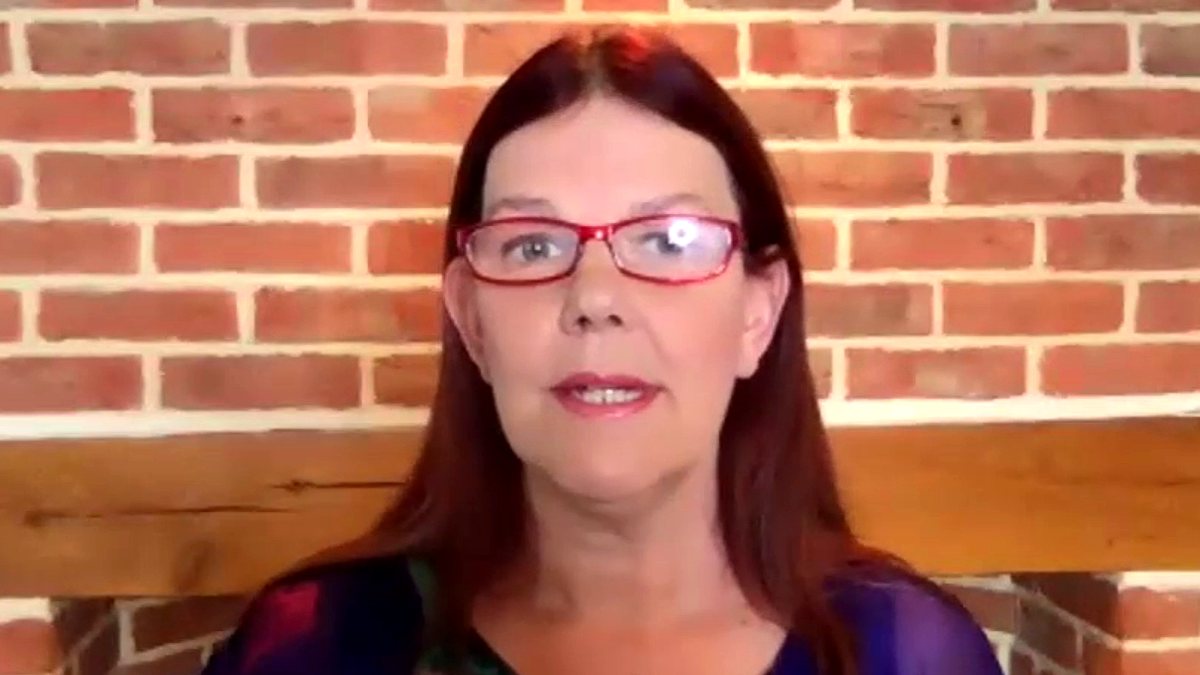
Sophie Sabbage was a bestselling author who wrote about living with cancer. On November 28th, 2020, she told the story of her own diagnosis in under six minutes, and finished second in the Speaker Slam® finals.
The English author and patient activist placed second at the 2020 Grand Slam: Inspirational Speaking Finals, the championship of North America's largest inspirational speaking competition. The finals were held online for the first time, and Sophie spoke from England. Fourteen finalists competed for the title of Inspirational Speaker of the Year.
Her speech was called "The Way Out Is Through." Sophie died in October 2021, less than a year after she gave it. This article remembers what she said that night and how she said it.
A Writer and Teacher of Human Transformation
Sophie worked in human and corporate transformation for twenty-five years. Before cancer, or "B.C." as she put it, she led an award-winning consultancy while delivering courses for a global educational charity.
After her diagnosis she became an author. She wrote two Sunday Times bestsellers, among them The Cancer Whisperer, and became well known in the UK as a patient activist. She described all of her work, including loving her husband and daughter, as dedicated to the authenticity and creativity of the human spirit.
She found Speaker Slam® in 2020, when the competitions moved online and opened to speakers outside Canada. She reached the finals of Kindness in June and Identity in July. In October she won Self-Worth with "What Makes Us Beautiful," a speech she delivered at 2:00 in the morning her time. "My body is tired, but my spirit is wide awake," she said that night.
That win sent her to the Grand Slam. Rina Rovinelli, co-founder of Speaker Slam®, wrote afterwards that second place was "rounding off an amazing year of successes with Speaker Slam."
The Way Out Is Through
Sophie built the speech around four sentences from her doctors. Each one began the same way and each one was worse than the last.
"As an educated white woman living in a first-world democracy, I had known great freedoms," she began, "until cancer gatecrashed my shipshape life."
The first sentence told her there was a tumour in her lung. She described answering it with optimism, picturing surgery, "radiation making me more radiant" and a short spell in a purple wig. "I locked my fear in a shiny urn of positive denial and left it there," she said.
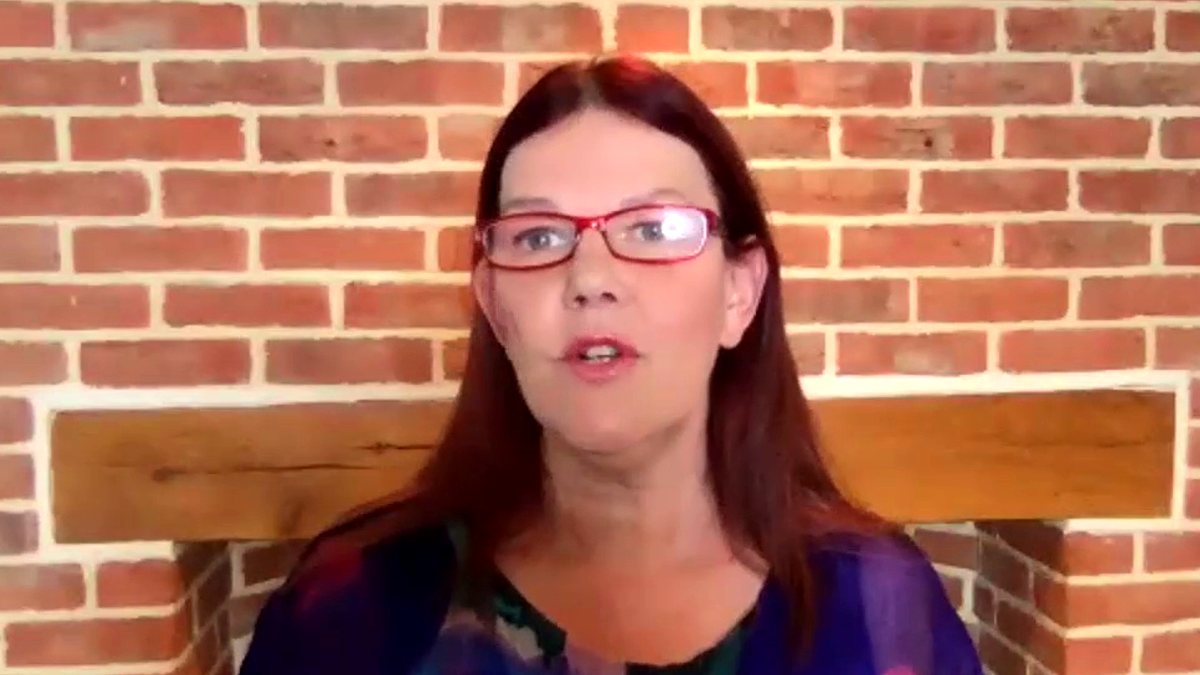
The second told her the cancer was in her lymph nodes and could not be cured. She was given a prognosis that ended before her daughter's fifth birthday. "Words fell from his mouth like icicles on a winter's day," she said. That time she locked her fear "in a casket of shame."
The third was tumours on her spine. The fourth was tumours in her brain, too many to count. With that came what she called a fate worse than death. "Losing my mind, my wisdom, my eloquence. Not being Sophie anymore."
Then the speech turns. She was driven home on a dark English afternoon. Her husband had lit the wood burner before going to collect their daughter from nursery. Sophie sat down beside it on the carpet and stopped running.
"I pulled fear very close. I gave myself to it completely until it bent me double," she said. "The more I surrendered, the more space opened up inside me, and the more I realised that I hadn't locked fear up. Fear had locked me up."
What she found on that carpet was the theme of the night.
"In this most restrictive circumstance of my life, I viscerally experienced freedom from fear as the greatest freedom of all."
She told the audience it had been six years since she was given six months to live, and that she had walked into fear many times since. "Each encounter is no less intense than the last, but each exit expands my wings."
She did not claim a cure. "I'm not free of cancer," she said, "but I'm more free than I ever was before it gatecrashed my shipshape but not yet liberated life."
Her closing line was an instruction. "Only when we step through fear can we step out of it and know what it is to be free. Then repeat."
In the event chat, viewers reached for the same word. "She speaks as poetry," one wrote.
The 2020 Grand Slam Podium
The 2020 Grand Slam: Inspirational Speaking Finals took place on Saturday, November 28th, 2020. It was held online and streamed to a live audience at home. Fourteen finalists from Canada, the United States and the United Kingdom each delivered a speech on the theme of Freedom before a panel of seven judges.
- Merlyna Valentine (United States), "Fear Seized Me and Love Freed Me"
- Sophie Sabbage (England), "The Way Out Is Through"
- Peter Hernandez (Oshawa, ON), "You Can Call Me Peter"
Sophie and Merlyna had met on the podium before. Seven weeks earlier they finished first and second at Self-Worth, in the opposite order.
The judges were Kristen Butler of Power of Positivity, Lisa Kirbie of Blackbird Strategies, Charmaine Hammond, Alex Taylor of Funnel Empire, Alvin Law, Dr. Angela Lauria of The Author Incubator and Codi Shewan.
For the full night, see the 2020 Grand Slam recap, the speaker lineup and the judging panel.
Sophie Sabbage's Speech: "The Way Out Is Through"
Below is the transcript of Sophie Sabbage's second-place speech, delivered from England at the online Grand Slam on November 28, 2020.
As an educated white woman living in a first-world democracy, I had known great freedoms, until cancer gatecrashed my shipshape life. The worsening diagnosis unfolding in excruciatingly precise freeze frames.
First. "You have a tumour in your lung, Mrs. Sabbage."
The shock ricocheted through my body like a bullet, while I retreated into a hazy optimism which refused to admit I'd been shot. I pictured my tumour being surgically removed, radiation making me more radiant, a brief bald period when I would wear a purple wig and flaunt a surprising sense of tumour, followed by the resumption of my privileged life, as if this was just another bridge to cross on the road to grandchildren and grey hair.
I pretended not to hear the low rumblings of a storm blowing in. I locked my fear in a shiny urn of positive denial and left it there.
Second. "You have tumours in your lymph nodes, Mrs. Sabbage."
Which meant the cancer I had rejected was growing on me. It was systemic. Incurable. A bridge I would not cross. A diagnosis I was assured I would not come back from, and a use-by date that preceded my daughter's fifth birthday.
I sat in the brown leather chair across from his desk, stunned. Words fell from his mouth like icicles on a winter's day, while hope retreated into another room, dimming the lights, stopping the clock on the wall.
He didn't notice I'd stopped listening. That my best friend was asking questions on my behalf. That remorse had lodged in my chest about the ways I abused my body in the past, about the grief this would bring my husband and the motherless life my daughter was going to live.
I locked my fear in a casket of shame and left it there.
Third. "You have tumours on your spine, Mrs. Sabbage, and the one on your neck will paralyse you."
His words paralysed me, and my own words crouched in the corner of my throat as I stared at the scans on his computer screen. What could I say to make the tsunami turn around and drain back into the ocean?
The shock went in deep this time, and the universe quietly imploded as the water of possibility closed over my head.
I locked my fear in a morgue of despair and left it there.
Finally. "I am so sorry, Sophie, but you have brain tumours."
"How many?" I asked, as my eyes broke like glass and I found myself facing a fate worse than death. Losing my mind, my wisdom, my eloquence. Not being Sophie anymore.
"Too many to count," he said, with a tenderness that fear could not circumvent.
His assistant kindly drove my trembling body home, it now being irresponsible for me to drive myself. It was a dark, very English afternoon, when the night draws in before the day is done, and my husband had lit the wood burner in the living room for me while he picked up our daughter from nursery.
I sat next to it on the carpet and I pulled fear very close. I gave myself to it completely until it bent me double. I let it rattle my bones and catapult my dreams at the stars.
The more I surrendered, the more space opened up inside me, and the more I realised that I hadn't locked fear up. Fear had locked me up. It had also locked out possibility and creativity and hope.
By standing in its flames, while flames licked the glass on the wood burner doors, it was fear that melted, not me.
In this most restrictive circumstance of my life, I viscerally experienced freedom from fear as the greatest freedom of all. Fear tried to trap me and damn near killed me, but I escaped.
In the six years since I was given six months to live, I've entered into fear and surrendered to it many times. Each encounter is no less intense than the last, but each exit expands my wings.
You see, fear is not to be overcome, but welcomed and given a place to thaw.
I'm not free of cancer, but I'm more free than I ever was before it gatecrashed my shipshape but not yet liberated life. Because only when we step through fear can we step out of it and know what it is to be free.
Then repeat.
Thank you.

Sophie Sabbage
Author, Speaker and Patient Activist | England
Sophie Sabbage worked in the field of human and corporate transformation for twenty-five years. Before cancer, she led an award-winning consultancy while delivering courses for a global educational charity. She wrote two Sunday Times bestsellers, including *The Cancer Whisperer*, and was well known in the UK as a patient activist.
In all her work, including loving her husband and daughter, she was dedicated to the authenticity and creativity of the human spirit. Sophie won Speaker Slam® Self-Worth in 2020 and placed second at that year's Grand Slam. She died on October 1, 2021.
Remembering Sophie
The 2020 Grand Slam was Sophie's last Speaker Slam® competition. In July 2021, Speaker Slam® released "The Way Out Is Through" as a video so that more people could hear it.
Sophie died on October 1, 2021. Her books, her teaching and the four speeches she gave on the Speaker Slam® stage in 2020 remain.